 Queenstown City Guide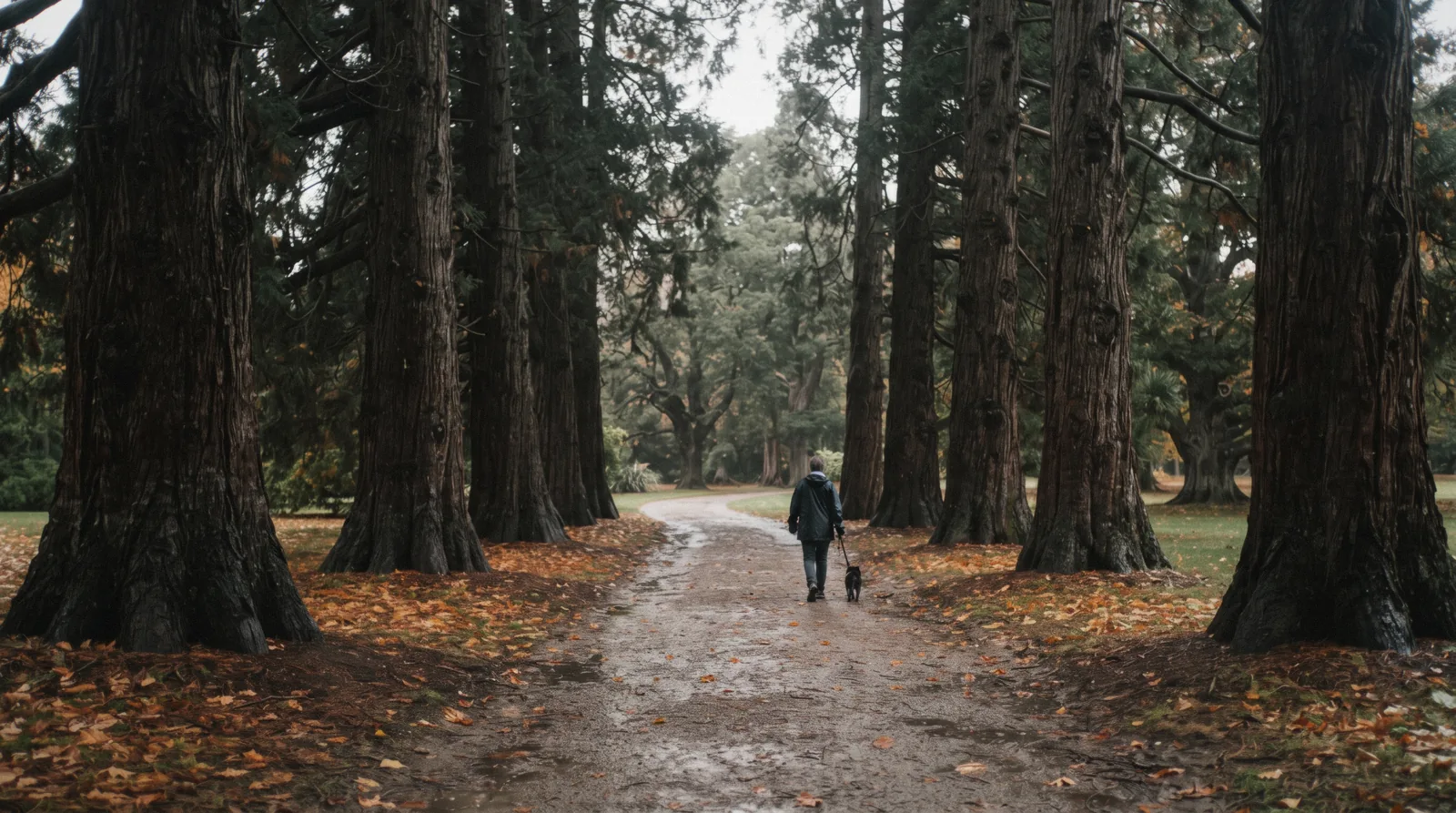
Queenstown Gardens: the Free Peninsula Loop, the Disc Golf and the Ice Rink
Te Kararo Queenstown Gardens occupies the whole peninsula that sticks out into the lake from the end of the town centre, a two-minute walk from the busiest street in the district and about as far from it in every other sense. It is a Queenstown Lakes District Council reserve, it has no gate, no ticket and no published closing time, and the loop track around its shoreline is the walk almost every visitor does and almost nobody plans. Inside it are the country's first permanently marked disc golf course, an ice rink that runs year round, a rose garden from the 1960s, heritage trees planted by the town's first mayor, and a stand of Douglas fir the council has now committed to removing over the next sixty to eighty years. It belongs to our whole guide to things to do in Queenstown, New Zealand, and this page prices everything in the reserve that costs money, prints the only official figure anyone publishes for the loop, and is the anchor of our free things to do list.
Quick answer What it costs, how long the loop takes, and what is inside worth stopping for
Te Kararo Queenstown Gardens is free, has no gate and has no published closing time: the Queenstown Lakes District Council describes it as a public space and prints no admission charge anywhere on its own project page. The Department of Conservation lists the loop track at 2 km and 40 minutes in its Queenstown day walks brochure, which is the only official figure anyone publishes for it. Prices on this site are US dollars first with the New Zealand dollar in brackets, at NZ$1 = $0.584.
Key takeaways
- Two things inside the reserve cost money and nothing else does: ice skating at $15.18 (NZ$26) an adult with hire and helmet included, and disc hire at $4.09 (NZ$7) a disc, both priced in full below.
- The 18-basket disc golf course is free to play and was the first permanently marked course in New Zealand; you only pay if you need to borrow the discs.
- The peninsula is the published start of the Queenstown Trail and the walking route east to Frankton, so the loop is a trailhead as well as a circuit.
- Swimming here is not what the photographs suggest: the council's own boating guide puts the lake at 8 to 10 °C all year, which is why the lake page treats the water as cold-shock territory rather than a beach.
Key facts
Opening hours
| The Gardens, all year | Always open–No gate, and QLDC publishes no closing time |
|---|---|
| Queenstown Ice Arena, inside the Gardens | Not published–A live weekly calendar is the only timetable published |
| Disc hire from the Ice Arena counter | Arena open hours only–Discs due back 30 minutes before the arena closes |
Closed None published. QLDC records no seasonal or weekly closure for the reserve, and the ice rink runs all year
Admission
- Adult
- Free. QLDC describes the Gardens as a public space and publishes no admission charge anywhere. Inside it, ice skating is $15.18 (NZ$26) and the 18-basket disc golf course is free to play
- Reduced
- Ice skating for a child five or under is $7.59 (NZ$13); a family pass of two adults and two children, or three and one, is $52.00 (NZ$89); skaters bringing their own boots pay $11.10 (NZ$19)
- Free
- Everyone, all year. The walk, the rose garden, the playground, the skate park, the pond and the disc golf baskets carry no charge; only disc hire and the ice rink do
Planning it
- Time needed
- The Department of Conservation gives 40 minutes for the 2 km loop. Our routing: 90 minutes with the rose garden, the pier and a stop on the shingle
- Book ahead
- Optional — walk-up usually fine
- Address
- Park Street, on the peninsula off Marine Parade, Queenstown 9300; the Ice Arena is at 29 Park Street inside the reserve, phone 03 441 8000
Nothing is sold at the entrance to the Gardens, so this compares what each activity inside the reserve costs, priced from the council's own project page, the Department of Conservation's Queenstown day walks brochure and the Queenstown Ice Arena's own tickets page, all read on in Q3 2026. Prices are US dollars first with the New Zealand dollar in brackets, at NZ$1 = $0.584.
Are you walking, or are you staying? The park itself takes no money at all. The decision is whether you want the two paid things inside it, and both of them are cheap enough that the answer is usually yes.
| What you do | Price | How long | What you get | Book |
|---|---|---|---|---|
| Walk in and use the reserveEverybody. There is no ticket, no gate and no published closing time, so this row has no alternative | Free | Any hour, all year | The whole peninsula: paths, pond, rose garden, playground, skate park, band rotunda and shoreline | Official site |
| The signposted loop trackAnyone with an hour and no plan, and the single best use of a first morning in Queenstown before the shops open | Free | 40 minutes for 2 km (Department of Conservation) | The full circuit of the peninsula, with the mountains, the Frankton Arm and the town on three sides of you | Official site |
| Disc golf on the 18-basket courseGroups and families with an afternoon; bring your own discs and the whole thing costs nothing at all | Free to play; hire is $4.09 (NZ$7) a disc | Allow 90 minutes for eighteen baskets | The course itself, plus a scorecard, map and pencil at $2.63 (NZ$4.50) covering up to six players | Official site |
| Public skating at the Ice ArenaFamilies, and anyone facing a wet afternoon: this is the only indoor activity inside the reserve | $15.18 (NZ$26) adult, $7.59 (NZ$13) age five or under, $52.00 (NZ$89) family | All-day access for your session | Skate hire and a helmet included; bring your own boots and it drops to $11.10 (NZ$19) | Official site |
| Floating sauna on the water off the same shorelineAnyone who wants the water and the view without pretending the lake is warm; the only bookable thing on this stretch of shore | $38.05 | 1 hour 15 minutes | A booked session on a sauna barge with a cold plunge straight into the lake | Check Availability |
The Ice Arena's prices are worth a footnote of their own. They are published on the arena's own tickets page as an image rather than as text, which means no screen reader reads them and no search engine indexes them, so the figures above were transcribed by eye from that graphic. If they matter to your budget, confirm them at the counter. The ice hockey, curling, bumper car and stick-and-puck rates sit on separate graphics on the same page and are not transcribed here.
What Is Bookable On and Around the Peninsula
Nobody sells a ticket to the Gardens, and no operator runs a guided tour of them, which is the honest starting point. These are the cards that share the same waterfront, in the order they suit a slow day here, with operator ratings and the listed prices. Each card's home page is linked in the sections below.
 from $38.05
Most booked
from $38.05
Most booked
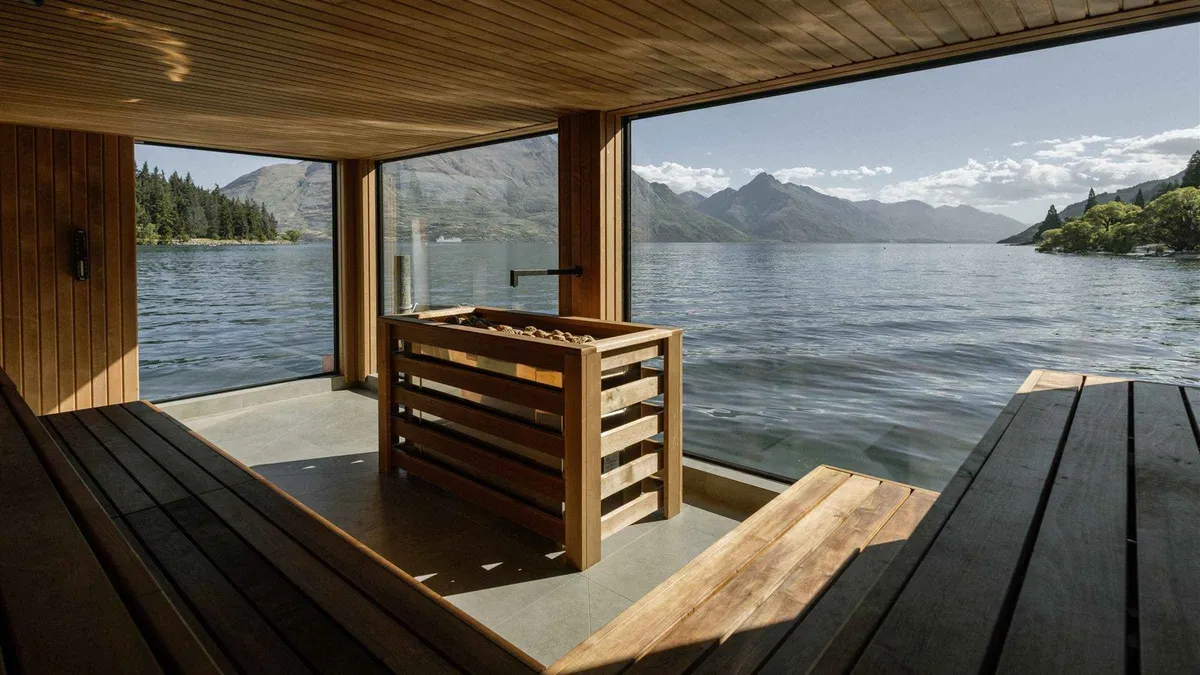
Queenstown: Floating Sauna Experience on Lake Whakatipu
A 60-minute session in a floating Finnish sauna moored on the lake, with cold plunges straight into the water between rounds. A short walk from Beach Street; towels and lockers provided, swimwear required.
Check Availability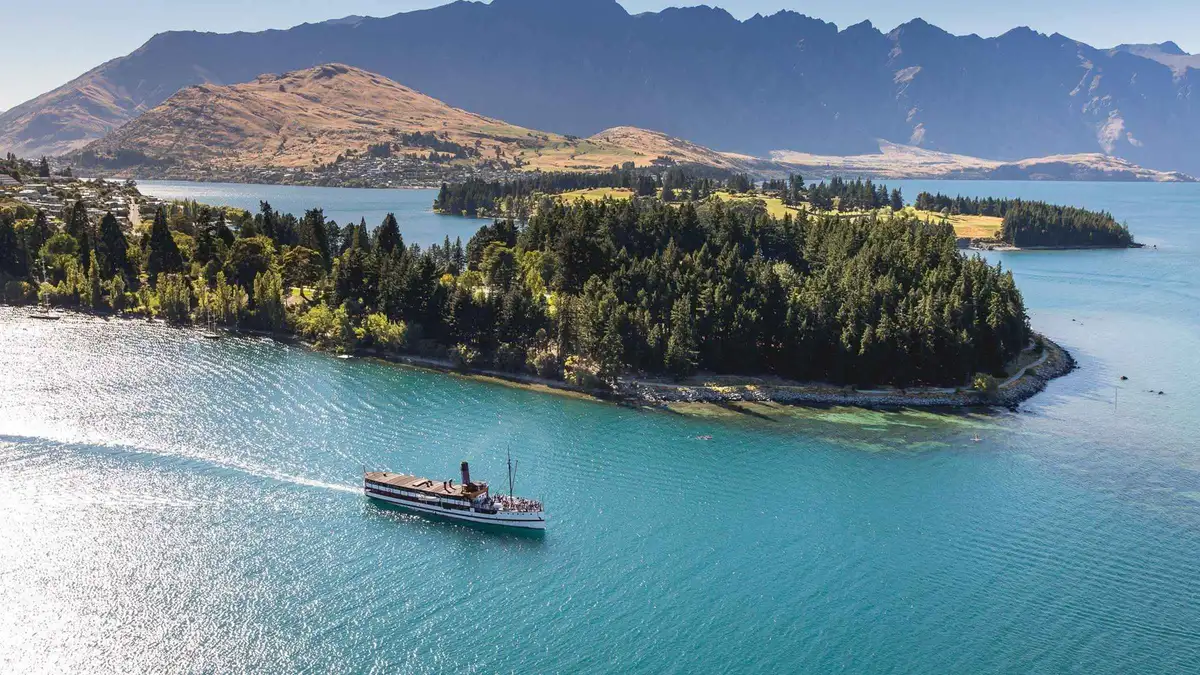 from $69.65
Queenstown: TSS Earnslaw Cruise of Lake Whakatipu
The steamer and nothing else: 90 minutes on the lake, the engine room open to walk through, the stokers feeding the coal fire in front of you. The shortest and cheapest way onto the 1912 vessel.
Check Availability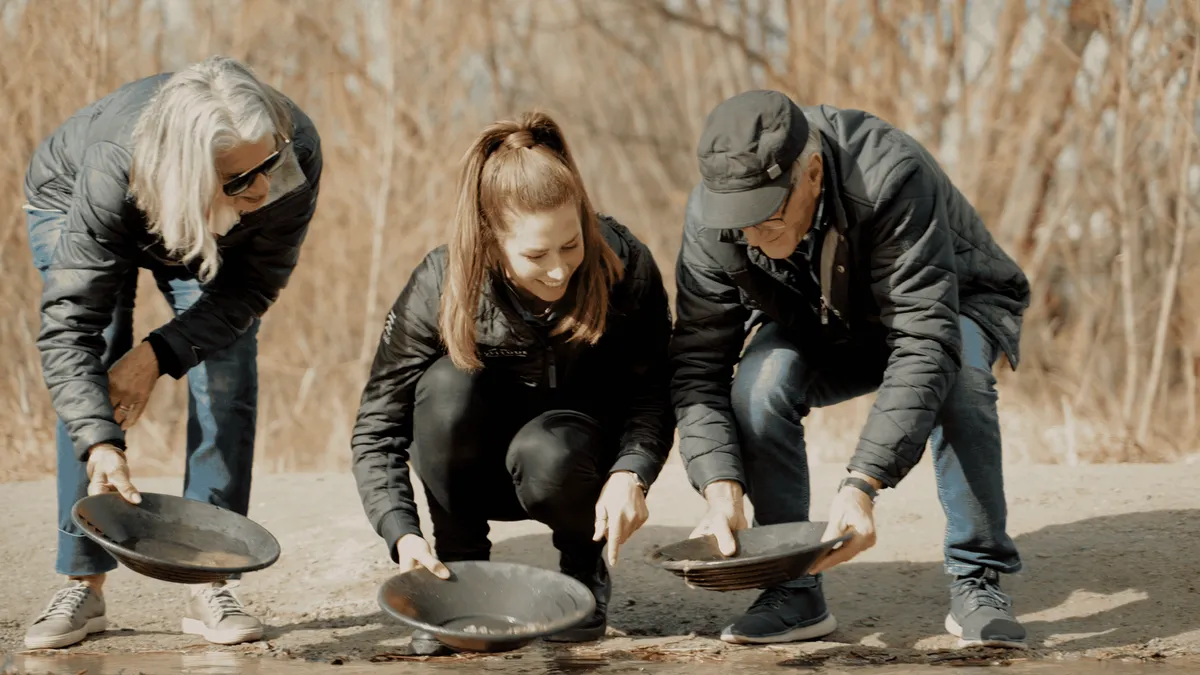 from $113.93
Small Group Queenstown Highlights Tour with Wine & Platters
One morning that stitches the viewpoints, Arrowtown, gold panning and a vineyard tasting with a cheese platter into a single run. Nine to one from selected hotels, small group, with coffee at Ayrburn included.
Check Availability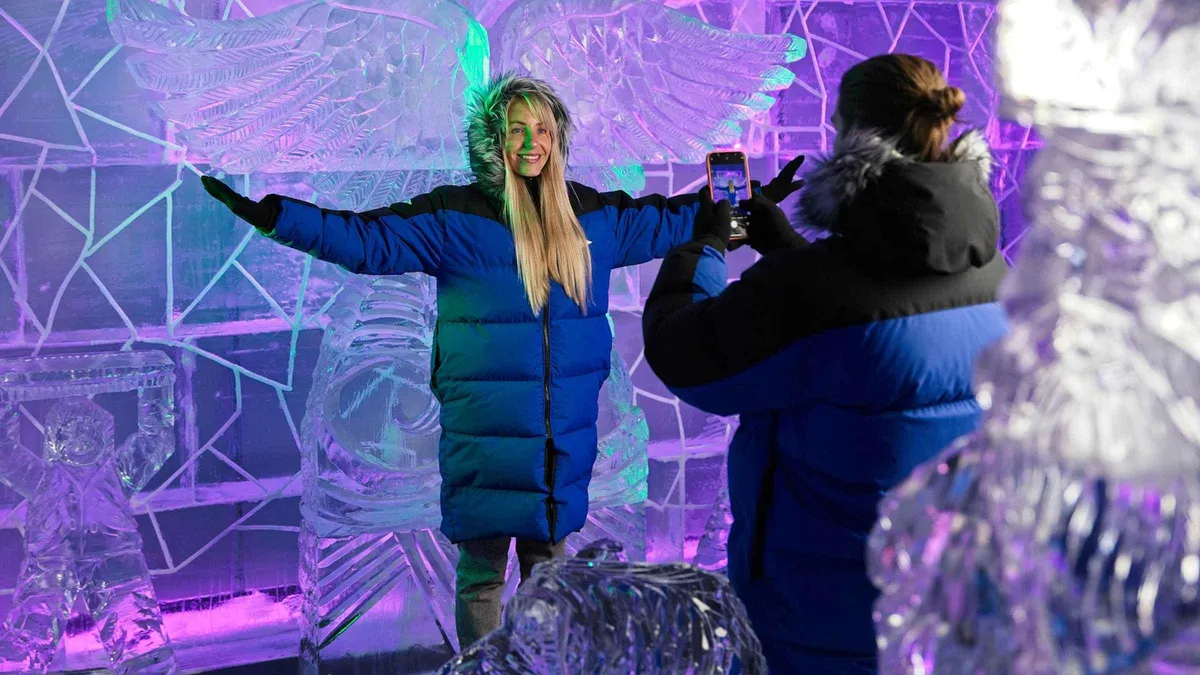 from $38.05
QUEENSTOWN ICE BAR - Queenstown’s Premium Ice Bar Experience
An hour inside a room carved from roughly 30 tonnes of ice, with the coat, gloves and boots handed to you at the door. A drink is included depending on the option, and hotel pickup and drop-off come with it.
Check AvailabilityThe steamer in the second card leaves from the pier at the town end of the Gardens, which is a four-minute walk from the rose garden; its own page is the TSS Earnslaw guide.
Prices, ratings and details are the platform's own. Dollar figures are the listed prices. The platform bills in your account's currency.
What Is Actually in the Gardens
A council reserve on a peninsula, with more inside it than the name suggests and no map at the entrance to tell you so.
The peninsula runs about half a kilometre out from the end of Marine Parade, and the paths through it are gravel and flat. The council's own description names walking, running and disc golf among its uses and calls the place a significant public space within the town centre for locals and visitors. What that undersells is the density: this is a botanical garden, a sports ground, a skate park, a children's playground, an ice rink and a war memorial in one reserve, none of it fenced from the rest.
On a Saturday in summer you can walk past a bowls match, a disc golf group, a wedding photograph and a parkrun in a single circuit.
- The rose garden, established in the 1960s with 850 bushes planted, sits just past the tennis courts and is the only formal planting in the reserve.
- The band rotunda near the Park Street entrance dates from 1891 and was rebuilt by the Queenstown Lions Club in 1999.
- Two memorials stand in the grounds: the Scott Memorial of 1913, to Robert Falcon Scott and the men who died on the 1912 Antarctic expedition, and the Rees Memorial of 1978, to William Gilbert Rees, the first European settler here, who arrived in 1860.
- The Queenstown Ice Arena at 29 Park Street runs year round and is home to the Southern Stampede ice hockey team.
- There are tennis courts, a bowling green, a skate park at the Park Street end and a children's playground on the Marine Parade side, all of them free to look at and mostly free to use.
- Native birdlife around the pond and the shoreline includes New Zealand scaup, paradise shelduck, bellbird, tūī, Australasian crested grebe, black-billed gull and fantail.
The shoreline, and what to do about the water
The shingle along the western side of the peninsula is the closest thing the town centre has to a beach, and on a still January afternoon it looks exactly like a swimming lake. It is not one. The council's own boating guide for Lake Whakatipu records water temperatures ranging from 8 °C to 10 °C, which is cold-shock territory at any time of year, and no authority publishes a lifeguard patrol, a swimming rating or a water-quality grade for this stretch. People do swim here and the council does not prohibit it; what nobody publishes is any assurance about it.
The full picture, including the boating rules and the harbourmaster's number, is on the Lake Wakatipu page, and the district's other published hazards are collected on the safety page.
The one week a year it changes completely
For about four days each winter the reserve becomes the site of the LUMA Southern Light Project, a light installation festival that puts artworks through the trees and along the paths after dark. It is the one time of year the Gardens have an event footprint rather than a background one, and it is also the only period when the parking around Park Street becomes a real problem. Dates move year to year and the organisers publish them separately from the council, so check before you plan an evening around it; our events page tracks the district's fixed calendar.
The Loop: 2 km, 40 Minutes, and What the Number Does Not Say
Somebody does publish a time for this walk, which is more than can be said for most short tracks in the district. The Department of Conservation lists it as track 14 in its Queenstown day walks brochure at 2 km and 40 minutes for the loop, starting from the lakefront on Marine Parade.
The 40 minutes is a walking time for the circuit and nothing else. The Department publishes no elevation gain for it, and none is needed: the peninsula is flat, which makes this one of very few tracks in the Queenstown area where the brochure time is likely to be the time you actually take. What the number does not capture is that the loop is a junction rather than a circle.
The published start of the Queenstown Trail is here, at the lakefront in the Gardens, and the walking route east along the water to Frankton begins from Park Street, so a 40-minute loop can turn into a half-day without any decision being made.
| Walk from here | Distance | Published time | Where it goes |
|---|---|---|---|
| Queenstown Gardens loop | 2 km | 40 minutes (Department of Conservation) | Right around the peninsula and back to Marine Parade |
| Frankton Arm Walkway | 7 km by the Department of Conservation, 8.5 km by the Queenstown Trails Trust | 1 hour to 1 hour 30 minutes one way | Park Street east along the water to Frankton Beach |
| Queenstown Trail, Frankton Track section | 16.4 km to Jardine Park with the Kelvin Peninsula Trail | 1 to 2 hours one way by bike (Queenstown Trails Trust) | The Gardens to the far side of the Frankton Arm; the Trust's own start point for the whole network |
What no authority publishes
Three things, and they are worth stating plainly because every guide to this park invents them. There is no published elevation gain for the loop, because the Department publishes none for any of the district's short walks. There is no track grade: the brochure prints its grading scale but attaches no symbol to this walk.
And there is no published dog rule from the Department, because this is a council reserve rather than conservation land, and the dog rules for it live in the council's dog control bylaw rather than on any walking page. If you are travelling with a dog, that bylaw is the document to read, not a walking brochure. The rest of the district's tracks, with their published times where they exist, are on the walks hub.
Disc Golf: Free to Play, and What the Hire Costs
Eighteen baskets threaded through the trees, the first permanently marked disc golf course in New Zealand, and the cheapest two hours in the district if you bring your own discs.
The course is laid out across the reserve and costs nothing to play. What costs money is borrowing the equipment, and that is handled by the Queenstown Ice Arena counter inside the park rather than by the council. Hire is $4.09 (NZ$7) a disc, and a scorecard, map and pencil covering up to six players is $2.63 (NZ$4.50), which for a group of four throwing one disc each comes to $19.00 (NZ$32.50) for the afternoon.
The arena takes a passport or driver licence as a deposit, walk-ins are welcome, and there is a NZ$25 replacement charge if a disc is lost or damaged. Discs are due back thirty minutes before the arena closes, and since the arena publishes no fixed closing time, that is a rule you have to ask about at the counter rather than plan around.
| What you need | Price | Deposit or condition |
|---|---|---|
| Playing the 18-basket course | Free | Nothing. No booking, no check-in, no time limit |
| Hire of one disc | $4.09 (NZ$7) | A passport or driver licence held at the arena counter |
| Scorecard, map and pencil | $2.63 (NZ$4.50) | Covers up to six players on one card |
| A lost or damaged disc | NZ$25 replacement charge | Charged against the hire, not the deposit |
Why the course matters more than it looks
This is not a novelty layout put in for tourists. It is recorded as the first permanently marked disc golf course in the country, and it is the reason Queenstown appears on New Zealand disc golf itineraries at all. Playing eighteen baskets across a public park with walkers, prams and a parkrun crossing the fairways demands the obvious courtesy: wait for the path to clear before you throw.
Nobody polices it and nobody publishes a code of conduct for the course, which is the usual New Zealand answer and works until it does not. Ninety minutes is a fair allowance for the full round at a walking pace.
The Ice Rink in the Middle of the Park
An indoor rink inside a botanical garden is an unusual thing to find, and in a town where the weather cancels half the inventory it is a more useful one than it looks.
The Queenstown Ice Arena sits at 29 Park Street, inside the reserve, and runs year round rather than seasonally. Public skating is $15.18 (NZ$26) for anyone six or over, $7.59 (NZ$13) for a child five or under, and a family pass covering two adults and two children or three children and one adult is $52.00 (NZ$89). Skate hire and a helmet are inside those prices, and so is all-day access for your session, which is the detail that turns a rink visit from an hour into a wet afternoon's plan.
Skaters who bring their own boots pay $11.10 (NZ$19). On selected Saturday evenings the arena runs a Night Skate ice disco at $12.26 (NZ$21) a person including hire.
| Ticket | Price | What is included |
|---|---|---|
| Single entry, age six and over | $15.18 (NZ$26) | Skate hire, helmet and all-day access for your session |
| Preschool, age five or under | $7.59 (NZ$13) | The same, at the same session |
| Family pass, two adults and two children or three and one | $52.00 (NZ$89) | The same for four people; the cheapest way in for a family |
| Own skates | $11.10 (NZ$19) | Ice time only, no hire |
| Night Skate ice disco, selected Saturdays | $12.26 (NZ$21) | Skate hire included; the arena publishes the dates on its own page |
The timetable the arena does not print
There is no published session time anywhere on the arena's website. What it publishes instead is a live weekly calendar on a booking platform, and a line saying it is open during the week for public skating, groups and special events. That is not the same as opening hours, and it is the single most common reason a family walks down here and finds the ice booked out to a hockey club.
Read the current week's calendar before you set out, or phone 03 441 8000, and if you are relying on this as a wet-day plan, do that the night before. Our other indoor options for a bad forecast are on the rainy-day page.
The Trees, and the Sixty-Year Plan to Replace Them
The most interesting thing in this park is the argument going on inside it about what should be growing here, and the council has published its answer in full.
The dominant tree in the reserve is Douglas fir, and there are many large specimens of it. It is also a wilding conifer, one of New Zealand's most persistent invasive species, and around five hectares of ageing wilding conifers stand within and around the Gardens. The council's position is not that they should all go tomorrow: it acknowledges that the dense stand shelters the whole peninsula from wild weather, and that the same canopy blocks sunlight, suppresses the understorey and disrupts the natural regeneration of native plants and the wildlife that depends on them.
The plan it adopted on 14 August 2025 is a staged removal and replanting with native and suitable exotic species over the next sixty to eighty years, with trial planting sites established before any tree comes out.
- The council received 45 submissions during public engagement on the plan, with 52 per cent in support, and made changes in response before adopting it.
- The trial-planting-first change was one of them: residents wanted to see what the replacement planting would look like before removals began.
- The heritage trees are a separate matter and are protected. They include a Wellingtonia, the giant sequoia Sequoiadendron giganteum, alongside black oak, red oak, grand fir, Algerian fir, monkey puzzle and western hemlock.
- Those heritage specimens were planted by James William Robertson, the town's first mayor, and are the oldest deliberate planting on the peninsula.
- A separate multi-stage development plan covers lighting, signage and pathway upgrades, and the council says the place values of Lake Whakatipu and the surrounding mountains will be woven into its design.
What this means for a visit
Practically, very little for now, and that is the point worth making. Nothing is fenced off, no tree has yet been removed under the succession plan, and the trial plantings are the only visible sign of it. Over a longer horizon it means the Gardens you photograph today are not the Gardens your children will walk through, which is unusual candour from a council about a much-loved park.
If you want to see the fir stand as it stands, the western side of the peninsula between the rose garden and the point is where it is thickest, and it is also the shadiest part of the loop on a hot afternoon.
The Peninsula in Eight Dates
How a Kāti Māmoe settlement site became a Victorian arboretum, a disc golf course and a council project with a sixty-year horizon.
-
Before European arrival
A Kāti Māmoe settlement
Māori used the peninsula in pre-European times, and the local tribe of Kāti Māmoe had a settlement here at one stage. It was no longer standing when European explorers reached the lake.
-
1860
The first European settler on the lake
William Gilbert Rees arrives in the district. The memorial to him in the Gardens was not built until 1978, by the Queenstown and District Historical Society.
-
1866
Two English oaks
James W. Robertson, the first Mayor of Queenstown, and McConnochie, the nurseryman of the day, plant the first two trees on the peninsula to mark the incorporation of the borough.
-
1867
The Gardens open
The reserve is officially opened and major planting begins. Residents plant exotic trees more or less wherever they choose, which is why the layout still reads as a collection rather than a design.
-
1891
The band rotunda
The rotunda near the Park Street entrance is established. It stood for more than a century before the Queenstown Lions Club rebuilt it in 1999.
-
1913
The Scott Memorial
Unveiled as a tribute to Robert Falcon Scott and the men who died on the Antarctic expedition of 1912. It is the older of the two memorials in the grounds.
-
1960s
The rose garden
A formal rose garden is established with 850 bushes planted, just past the tennis courts. It remains the only formal planting in an otherwise informal reserve.
-
14 August 2025
The conifer succession plan is adopted
Councillors adopt a plan for the staged removal of about five hectares of ageing Douglas fir wildings over sixty to eighty years, with replanting in native and suitable exotic species and trial sites established first.
Dates to 1978 are from the English Wikipedia article on the Queenstown Gardens; the 2025 adoption, the five-hectare figure and the sixty to eighty year horizon are from Queenstown Lakes District Council's own project page for Te Kararo Queenstown Gardens. Where the two differ we print the council's figure.
Hours, Weather and What Nobody Publishes
This is the shortest section on the page and the most useful, because the answer to almost every question about opening times here is that no authority has written one down.
We read the council's own project page for the reserve and it contains no opening time, no closing time, no seasonal variation and no accessibility statement. That is not an omission we are inferring from silence: the page describes the Gardens, the development plan and the conifer plan at length and simply never mentions hours, because there is no gate to open or close. In practice the reserve is always accessible, the paths are unlit in most places, and the council's own development plan names lighting as future work rather than existing infrastructure.
Treat it as a daytime park with a dark walk home.
- No opening or closing hours are published for the Gardens by the council, and none are needed: there is no perimeter fence and no gate.
- No accessibility statement is published either. The paths are gravel and flat, which is more than can be said for most attractions in this district, but nothing official grades them, and the development plan lists pathway upgrades as work still to come. The published access information we could find for the district is on the accessibility page.
- The Ice Arena publishes a live weekly calendar rather than session times, so the one indoor thing here is also the one thing you cannot plan without checking.
- There is no published parking charge for Park Street, and no published capacity either; the reserve sits at the end of a residential street rather than behind a car park.
- Nothing here closes for weather. The loop is exposed on the point and sheltered under the firs, which is the practical reason to walk it clockwise into a southerly.
The best hour to be here
Early. The town centre wakes up slowly and the peninsula is a two-minute walk from the top of the mall, so the loop before breakfast is a genuinely different experience from the same loop at one in the afternoon, when it fills with office lunches and cruise passengers walking off the pier. In autumn the oaks on the eastern side turn before the ones in town do, and that is the fortnight when this park earns the photographs.
In winter the same trees are bare and the interest moves indoors to the rink. Our best time to visit page sets out the seasons across the district.
Queenstown Gardens Map: the Loop, the Rink and the Way In
The peninsula, the two entrances that matter and what sits at either end of the walk. Coordinates are from the official place records in our facts pack; the reserve has no gate, so both entrances are simply the ends of a street.
The Department of Conservation's brochure starts its loop from the Marine Parade lakefront; the Ice Arena, the skate park and the disc hire counter are all at the Park Street end. Walking in one end and out the other is the version of this that sees everything.
Next Stop from the Peninsula
Everything here is within ten minutes of the Marine Parade entrance, which is what makes the Gardens the natural pivot in a day spent on foot.
Lake Wakatipu
The lake the peninsula sticks out into is 80 km long, covers 293 km² and sits between 8 °C and 10 °C all year, on the council's own boating figures. The lake page has the ways to get out onto it, the safety rules that apply to every hired kayak and paddleboard, and the legend the shape of the lake comes from.
The water on three sides of youFree things to do in Queenstown
The Gardens are the largest free thing in the district and the disc golf course is the cheapest afternoon in it. The free list collects the rest: the lakefront walks, the tracks that start from a street corner, and the viewpoints nobody charges for.
Where this park anchors the listQueenstown with kids
A playground on the Marine Parade side, a skate park at the Park Street end, an ice rink with a NZ$13 preschool fare and a free disc golf course make this the highest-value family afternoon in the town centre. Our kids page sets out which of the district's paid attractions actually take small children.
The playground is inside the reserveQueenstown Gardens Questions
Is Queenstown Gardens free?
Yes, entirely. The Queenstown Lakes District Council describes Te Kararo Queenstown Gardens as a significant public space for locals and visitors and publishes no admission charge anywhere on its own project page for the reserve. There is no gate, no ticket office and nothing to book. Two things inside cost money: public skating at the Ice Arena, at $15.18 (NZ$26) for an adult, and disc hire at $4.09 (NZ$7) a disc. The 18-basket disc golf course itself is free to play, as the price table sets out, and the walk, the playground, the skate park and the rose garden are all free too.
How long does it take to walk around Queenstown Gardens?
Forty minutes for 2 km, which is the Department of Conservation's own figure for the loop track in its Queenstown day walks brochure, where it appears as track 14 starting from the lakefront on Marine Parade. The peninsula is flat and the Department publishes no elevation gain for it, so unlike almost every other track in this district the brochure time is likely to be close to the time you take. Allow ninety minutes if you want the rose garden, the pier and a stop on the shingle. Our loop section sets it against the longer walks that start from the same point.
Is Queenstown Gardens a botanical garden?
It is described as one, and it holds a formal rose garden from the 1960s with 850 bushes planted, protected heritage trees including a Wellingtonia giant sequoia, monkey puzzle, grand fir and two species of oak, and a pond. What it does not have is the thing most national botanical gardens have: a curating institution, an accession catalogue or a published plant list. It is a district council reserve that grew out of Victorian civic planting, not a research garden, and no authority ranks it against botanical gardens elsewhere, so any list naming a world number one is somebody's opinion rather than a measurement. The trees section covers what is actually growing here and what the council plans to do about it.
Can you play disc golf in Queenstown Gardens?
Yes, on an 18-basket course threaded through the reserve that is recorded as the first permanently marked disc golf course in New Zealand. Playing it is free and needs no booking. If you do not have discs, the Queenstown Ice Arena inside the park hires them at $4.09 (NZ$7) a disc, with a scorecard, map and pencil covering up to six players at $2.63 (NZ$4.50), against a passport or driver licence deposit and a NZ$25 charge if a disc is lost. Discs must be back thirty minutes before the arena closes, and since the arena publishes no fixed closing time you should ask at the counter when you collect them. The disc golf section has the full arithmetic.
How much does ice skating cost at the Queenstown Ice Arena?
$15.18 (NZ$26) for anyone aged six and over, $7.59 (NZ$13) for a child five or under, and $52.00 (NZ$89) for a family pass covering two adults and two children or three children and one adult. Skate hire, a helmet and all-day access for your session are inside the price, and skaters with their own boots pay $11.10 (NZ$19). A Night Skate ice disco on selected Saturday evenings is $12.26 (NZ$21) including hire. Those prices are published on the arena's own tickets page as an image rather than as text, so we transcribed them by eye; the ice arena section explains why that matters and where the timetable actually lives.
What time do Queenstown Gardens open and close?
There is no answer to this, and that is the honest one. We read the council's own project page for the reserve and it publishes no opening time, no closing time, no seasonal hours and no accessibility statement, because the peninsula has no perimeter fence and no gate to close. The paths are unlit in most places and the council's development plan lists lighting as future work rather than something already installed, so the practical limit on a late walk here is darkness rather than a rule. The one thing inside that does run to a timetable is the Ice Arena, and it publishes a live weekly calendar instead of session times.
Where the Gardens Fit in a Queenstown Day
This is the part of town people walk through on the way to something else, which is a waste of the best free hour in the district.
In a town where almost everything is a booking with a departure time for one of the Queenstown tours, a park with no gate is structurally useful: it is the thing you can do at 07:00, at 21:00, in the rain, with a hangover, or in the ninety minutes between a cancelled cruise and a dinner reservation. On a first morning it orients you, because the loop shows you the Frankton Arm, the mountains behind the town and the lift line up Bob's Peak in one circuit. On a family day it is the cheap half of an expensive one.
On a wet afternoon the Ice Arena inside it is the only indoor room on the peninsula. And on the last morning before a flight, it is the walk that does not need a return time.
- First morning, jet lagged and awake at six: the 2 km loop before the town opens, then breakfast on the mall.
- Family afternoon: the playground and the disc golf, with the ice rink held in reserve if the weather turns.
- Wet day: skating, at $15.18 (NZ$26) with hire included and all-day access, then the hot pools or another indoor option from the rainy-day list.
- Before a lake trip: the pier at the town end of the Gardens is where the steamer leaves from, four minutes from the rose garden.
- Last morning: the loop, the Scott Memorial, and back up the mall with an hour to spare.
Queenstown Gardens on Film
Three walks around the same peninsula: the full loop in summer, the same route in winter with the oaks bare, and the lakefront approach from the town centre.
Queenstown Gardens Walking Tour New Zealand 4K
The loop end to end at walking pace, which is the clearest way to judge whether 40 minutes is your 40 minutes.
Video: New Zealand Walking ToursQueenstown Gardens and Lake Wakatipu Foreshore Walking Tour
The approach along the waterfront from the town centre and into the reserve, showing how short the walk in really is.
Video: Aussie JetsetterQueenstown Gardens Winter Walk
The same paths in winter with the deciduous trees bare, useful if you are visiting in the ski season.
Video: Aussie GemVideos load from YouTube only when you press play.
Prices, hours and terms are set by the venue or operator and confirmed at checkout.
We may earn a commission if you book through one of our links, at no extra cost to you. Full affiliate disclosure